Most Shopify brands chase one metric: more traffic. The smarter move is getting more value from the visitors already browsing your store.
The short version
Hidden revenue is the chat-assisted and post-chat sales your analytics miss because the events never reach your ad platforms. You recover it by pairing ecommerce AI chat with server-side tracking and post-chat capture tools, then measuring the incremental lift in chat-exposed shoppers. This guide gives you the three-step playbook and how to attribute it correctly.
If you are using, or considering, an AI chatbot, you are ahead of most stores. A chatbot working in isolation usually improves support without scaling revenue. The real result comes when you connect three pieces:
- AI chat that understands your products and customers.
- Smart tracking that makes every chat interaction visible to your marketing platforms.
- Post-chat tools that turn “maybe later” into tracked orders.
This guide shows you how to graduate from “having a chatbot” to running conversational commerce as one of your most profitable channels.
Key takeaways
- Chat is a sales engine, not just support. Modern AI chatbots act as 24/7 guided sales associates, not FAQ machines.
- Invisible data is lost revenue. Without server-side tracking and Conversions API integration, ad platforms cannot learn from high-intent chat behavior.
- Intent must be captured. Wishlists and targeted upsells bridge a helpful chat and a checkout that lands days later.
What is hidden revenue on Shopify, and why does chat create it?
Hidden revenue is the sales your AI chat influences that your reports never credit to chat. A shopper asks the bot about sizing, gets a recommendation, then buys two days later from a different device or session. Standard browser pixels lose that thread, so the order shows up as “direct” or “unknown” and the chat gets zero credit.
Three roadblocks create the gap:
- The attribution black box. When your tracking stack is not set up for it, chat-assisted purchases get mislabeled as “direct” or “unknown” traffic.
- Blind ad algorithms. Meta and TikTok run on data. If they cannot see how chat interactions drive product views and add-to-carts, they cannot optimize toward your best customers.
- No follow-up. Shoppers show strong intent in chat but need time. Without wishlists, dynamic bundles, and reminders, that intent evaporates.
To recover this revenue, connect your AI chatbot to a tracking and monetization stack. Here is the three-step playbook.
Step 1: turn AI chat into a guided selling experience
An AI chatbot built for ecommerce should feel like your top retail floor associate, not a help desk.
On Shopify, merchants use tools like Zipchat AI to:
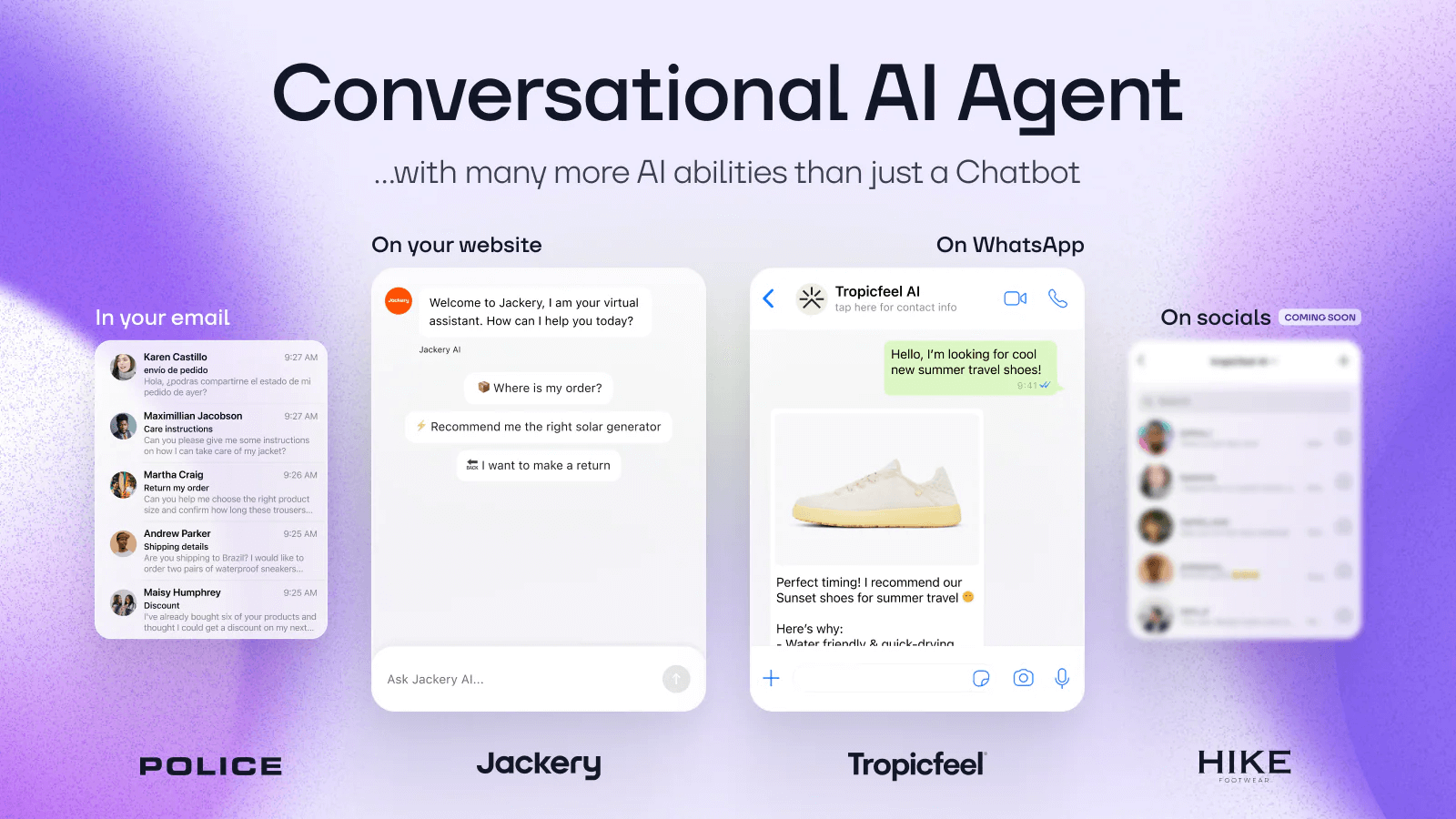
- Qualify and guide. Ask shoppers about goals, preferences, or constraints (skin type, budget, style) to find the right product.
- Overcome objections. Surface reviews, return policies, and FAQs the moment a buyer hesitates.
- Recover abandoned interest. Remind returning visitors what they left in their cart or earlier chats.
Because Zipchat connects to your Shopify catalog, it recommends real products with live pricing and accurate inventory. That guided experience cuts friction before the buyer clicks “Add to Cart.”
Step 2: make every conversation visible with smart tracking
Your tracking pixels decide what your ad platforms can see. If your chatbot recommends products but Meta does not know, you waste retargeting data.
If you run Meta, TikTok, or Pinterest ads, you need a multi-pixel and Conversions API (CAPI) setup. Apps like Pixee - Multi Pixel & Meta Ads act as the connective tissue between your Shopify store, your AI chatbot, and your ad campaigns.
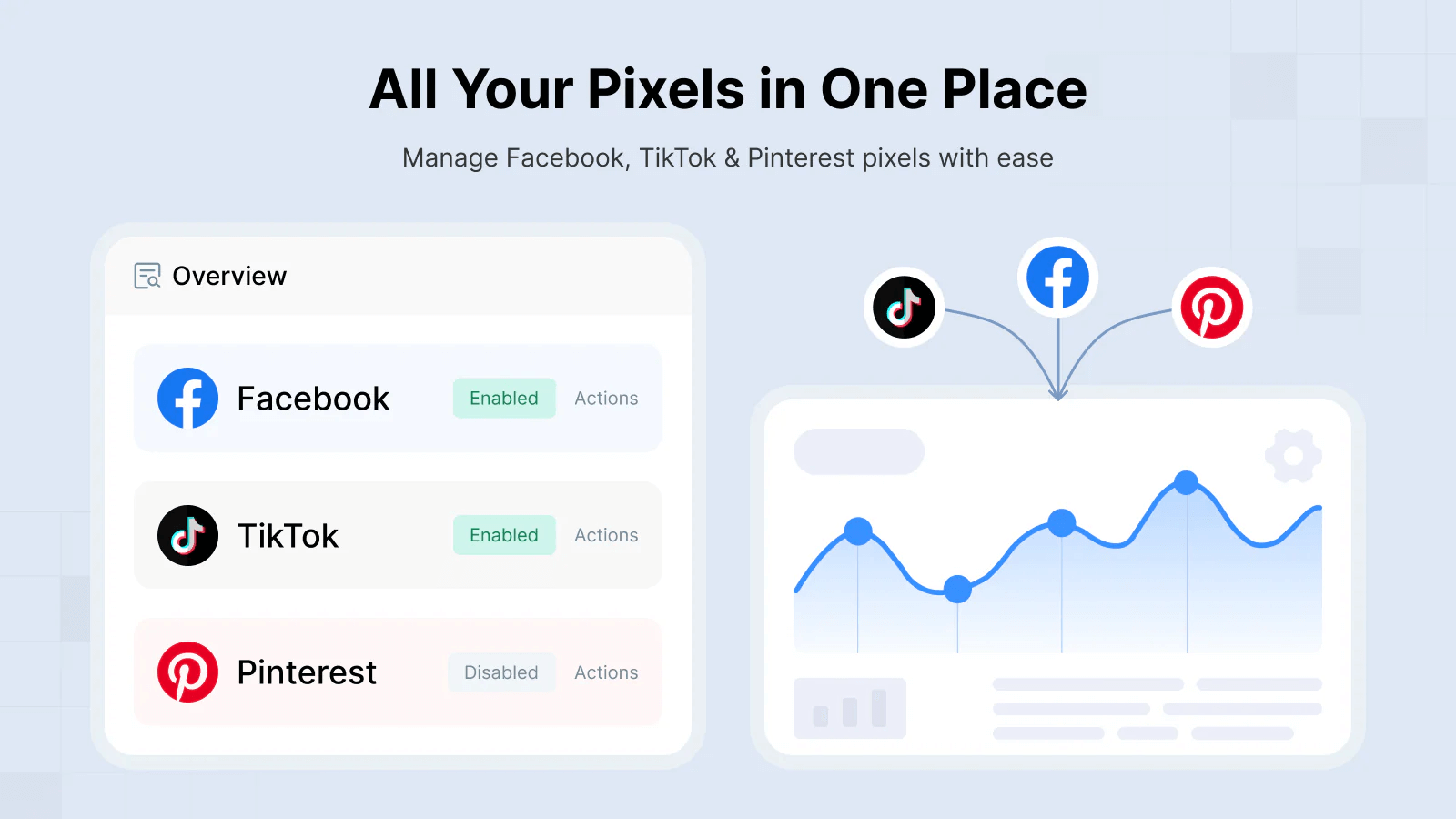
How Pixee strengthens your chat tracking:
- A shopper clicks a Meta ad, opens Zipchat, and gets a personalized recommendation.
- Pixee tracks what the user views, adds to cart, and purchases using both browser pixels and server-side CAPI events.
- Your Shopify product catalog syncs automatically with Meta to power accurate Dynamic Product Ads (DPAs).
Instead of a black-box widget, every key interaction becomes a signal that trains your ad accounts and lowers your Customer Acquisition Cost (CAC).
Last-click vs assisted: how to attribute chat correctly
Chat earns last-click credit when it directly precedes checkout and assisted credit when it touches the shopper earlier in the journey. Treat these as two different jobs, because mixing them inflates or hides the true contribution.
- Last-click. The shopper chats, then checks out in the same session. Typical last-click windows run around 24 hours.
- Assisted (multi-touch). Chat happens days before purchase. The buyer returns through a separate session or device, so chat deserves fractional, not full, credit. Assisted windows commonly run 7 to 30 days.
After Apple’s App Tracking Transparency changes, browser-only tracking under-reports both. The fix is server-side: send events from your server with first-party identifiers through CAPI, so a blocked or expired browser pixel does not erase the conversion. This is the same mechanism Step 2 relies on.
There is no credible global “chat drives X% of revenue” benchmark, so do not anchor to one. Measure your own store instead.
How Zipchat measures chat-to-checkout revenue
Zipchat runs its own pixel, so it attributes the events that happen inside and after a conversation: chat-to-checkout in the same session and assisted revenue when the purchase lands later. That gives you a chat-native view alongside the platform-side picture Pixee feeds to Meta.
Read “hidden revenue” as incremental lift, not total chat-touched revenue. The honest way to size it is a holdout or A/B test: compare conversion and revenue per visitor in a chat-exposed cohort against a matched control with chat suppressed. The difference is the lift chat actually caused, free of the over-crediting that last-click alone produces.
Zipchat starts from $64/month, billed annually (Starter), with a 7-day trial and a 30-day money-back guarantee. There is no free plan.
Step 3: capture post-chat value with wishlists and upsells
Not every shopper buys right after a chat. The conversation did not fail; you need a system to monetize that intent over a longer horizon.
This is the post-chat revenue layer. Shopify apps like GP - Wishlist & Upsell Suite catch the leads that are almost ready to buy.
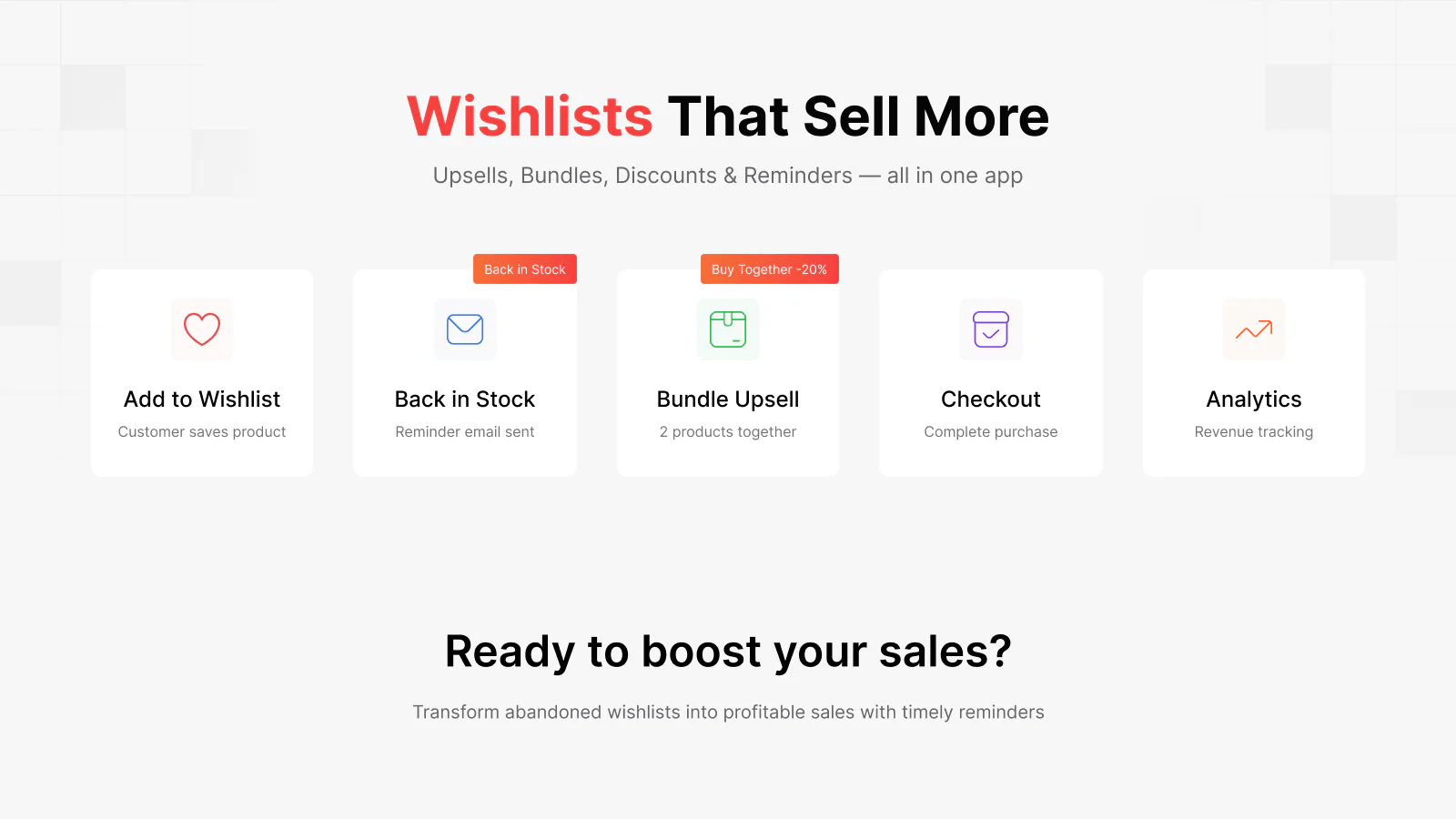
With a wishlist and upsell tool, you can:
- Let visitors save chatbot-recommended products for later, without creating an account.
- Build automated bundles and upsells around items discussed most in chat.
- Trigger reminders when a wishlisted item drops in price or comes back in stock.
The result: a shopper chats about a skincare routine, saves three items to a wishlist, and leaves. Two days later, an automated bundle offer brings them back. Pixee tracks the conversion, feeds it to Meta, and ad performance improves. The chatbot started the sale; your upsell stack finished it.
The playbook: a simple framework for Shopify teams
Here is the framework to implement this on your Shopify store.
1. Deploy ecommerce-native AI chat
- Install Zipchat AI on your Shopify store.
- Sync your product catalog and knowledge base so the bot gives context-rich, accurate answers.
2. Lock down your tracking and attribution
- Install Pixee to manage your Meta, TikTok, and Pinterest pixels in one place.
- Enable the Conversions API (CAPI) for server-side event tracking.
- Verify that View Content, Add to Cart, and Purchase fire consistently for users interacting with chat.
- Sync your live product catalog to Meta to power Dynamic Product Ads.
- Install GP - Wishlist & Upsell Suite.
- Enable guest wishlists to capture low-friction intent.
- Design cart upsells based on the pairings your chatbot recommends most.
4. Measure what matters
- Track your chat-assisted conversion rate against your baseline site conversion rate.
- Run a holdout or A/B test to isolate the incremental lift chat causes, not just the revenue it touched.
- Monitor revenue from Dynamic Product Ads fueled by your new tracking.
- Measure long-tail revenue from wishlist reminders and bundle upsells.
When this approach falls short
This stack does not pay off in every store. Watch for these conditions before you invest.
| Condition | Threshold | What it means |
|---|
| Chat volume | Under ~100 chats/month | Too little data to measure lift reliably; ship chat first, attribute later |
| Catalog accuracy | Stock or pricing out of sync | The bot recommends real products poorly; fix the Shopify sync first |
| Ad spend | Near zero on Meta/TikTok | CAPI and DPAs add little; focus on on-site conversion instead |
| Attribution method | Last-click only | You will over-credit chat; add a holdout test before claiming lift |
Server-side tracking also depends on healthy webhook delivery. Shopify webhooks usually fire within a few seconds, but a small share can delay or fail, so a queue-and-retry setup keeps events from going missing.
Why this matters right now
Ecommerce teams are squeezed from all sides: ad costs rising, budgets tight, customers expecting instant, personalized support.
AI chat fixes the support bottleneck. It only fixes the revenue bottleneck when it plugs into a smart marketing stack. Combine Zipchat AI, Pixee tracking, and GP Wishlist & Upsells, and “chat” stops being an operational cost. It becomes a measurable, conversion-driving engine that gets more from your hard-earned traffic.
Where chat-to-revenue tracking is heading in 2026
First-party, server-side measurement is becoming the default, not the workaround. As browser signals keep degrading, the stores that win will read conversions through CAPI and chat-native pixels rather than client-side tags alone.
Expect more weight on incrementality. Holdout testing moves from a nice-to-have to the standard way teams prove a channel earned its budget, including conversational commerce. Chat-native attribution, where the assistant reports its own chat-to-checkout and assisted revenue, makes that test easier to run on Shopify.
Frequently asked questions (FAQ)
1. How does an AI chatbot actually increase revenue, not just answer tickets?
Unlike rule-based bots, ecommerce-native AI chatbots integrate with your product catalog. They cross-sell, upsell, and guide shoppers to specific products based on conversational prompts, acting as an automated sales associate rather than a support widget.
2. Why are my chat-assisted sales showing up as “Direct” or “Unknown” traffic?
This happens because browser tracking pixels get blocked by ad blockers or privacy updates like Apple’s App Tracking Transparency. Implementing server-side tracking through the Conversions API, using a tool like Pixee, passes the data back to your analytics and ad platforms accurately.
3. Do I need users to create an account to use wishlists after a chat?
No. Tools like GP - Wishlist & Upsell Suite support guest wishlists. That removes friction, letting shoppers save the products your chatbot recommended without creating a store account first.
4. Can I retarget customers based on products they discussed in the chatbot?
Yes. By syncing your Shopify catalog to Meta Commerce Manager and capturing View Content events from the chatbot’s product links, you can run Dynamic Product Ads that retarget those shoppers with the exact items they asked about.
5. How do I know how much revenue chat really drives?
Run a holdout or A/B test. Compare revenue per visitor in a chat-exposed group against a matched control with chat hidden. The difference is the incremental lift chat caused. Last-click numbers alone over-credit chat, since many buyers would have purchased anyway.
The bottom line
Treating your Shopify chatbot as a fancy FAQ page leaves money on the table.
Combine conversational AI with smart tracking and post-chat tools like wishlists, and you turn casual questions into measurable, revenue-driving opportunities. Attribute it with a holdout test so you credit chat for the lift it actually caused.
The technology is here. Connect the dots so every chat, click, and saved item works together to grow your bottom line.
Gropulse builds Shopify apps for wishlist management, upsells, and product catalog syncing. Their GP Wishlist & Upsell Suite helps merchants capture post-chat intent, automate bundle offers, and sync product catalogs to Meta for dynamic retargeting ads.
Read more from Gropulse at Gropulse