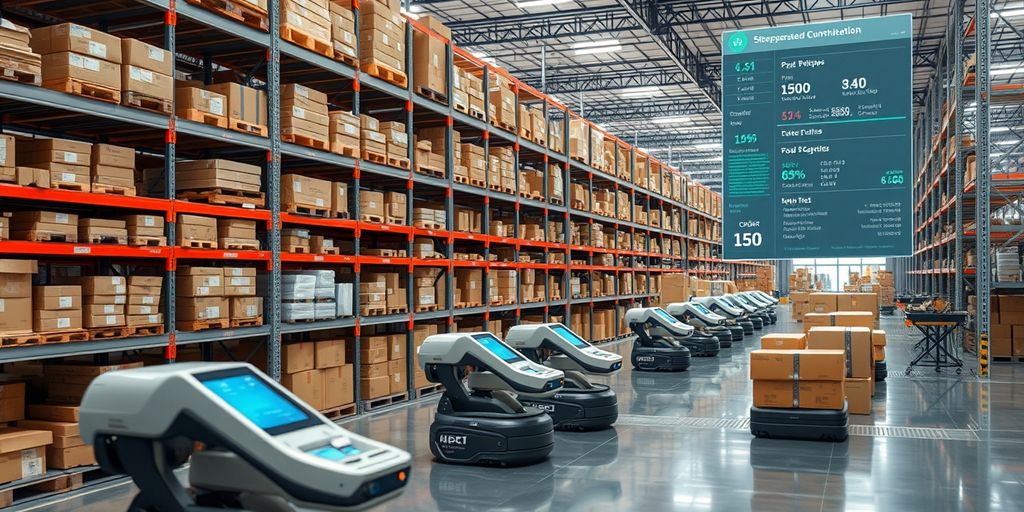
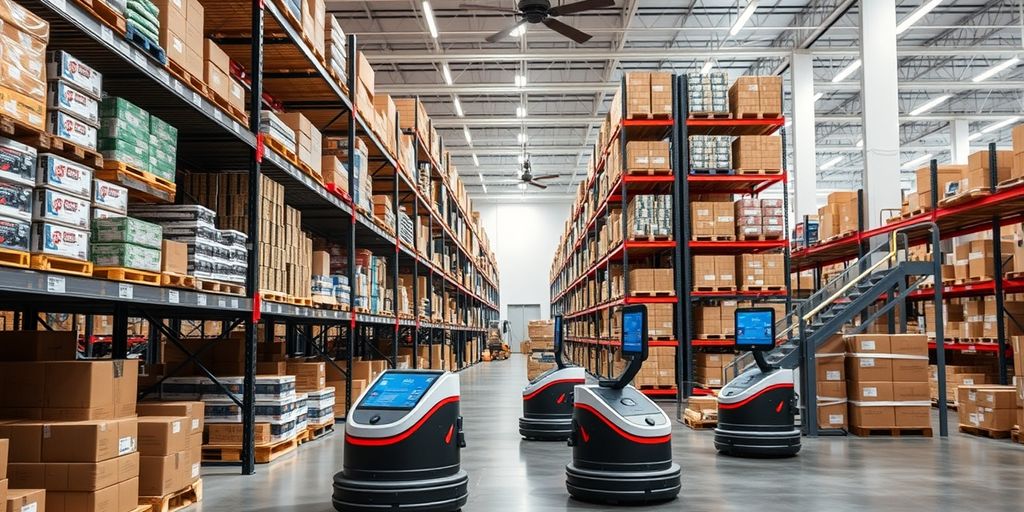
Setting up an efficient order fulfillment system is crucial for the success of any e-commerce business. This process involves everything from receiving customer orders to delivering products to their doorsteps. Understanding the key components and challenges of order fulfillment can help businesses streamline their operations, improve customer satisfaction, and ultimately boost sales. In this article, we will explore various aspects of order fulfillment systems, including choosing the right model, integrating technology, optimizing inventory management, and enhancing shipping processes.
Key Takeaways
Order fulfillment is the process of handling customer orders from start to finish.
Choosing the right fulfillment model can greatly impact efficiency and customer satisfaction.
Technology plays a key role in automating and optimizing fulfillment processes.
Effective inventory management helps prevent stockouts and ensures timely delivery.
Good communication with customers enhances their experience and builds loyalty.
Understanding Order Fulfillment Systems
When you dive into the world of e-commerce, understanding order fulfillment systems is crucial. This process is the backbone of your online business. It involves everything from receiving orders to delivering products to your customers. Let’s break it down into three key areas:
Definition and Importance
Order fulfillment refers to the steps taken to process and deliver customer orders. This includes receiving inventory, storing it, picking items, packing them, and finally shipping them out. A smooth order fulfillment process is essential because it directly impacts customer satisfaction and your bottom line.
Key Components
Here are the main components of an order fulfillment system:
Receiving Inventory: Getting products from suppliers.
Storage: Organizing products in a warehouse.
Order Processing: Picking and packing items for shipment.
Shipping: Delivering the orders to customers.
Common Challenges
While setting up your order fulfillment system, you might face some challenges:
Inventory Management: Keeping track of stock levels can be tricky.
Order Accuracy: Mistakes in orders can lead to unhappy customers.
Shipping Delays: Unexpected issues can slow down delivery times.
Remember, a well-structured order fulfillment system not only helps you manage your operations but also builds trust with your customers. As you look to scale your ecommerce business, focus on streamlining these processes to enhance efficiency and customer satisfaction.
Choosing the Right Fulfillment Model
When it comes to setting up your ecommerce business, selecting the right fulfillment model is crucial. Each model has its own strengths and weaknesses, so understanding them can help you make the best choice for your needs.
In-House Fulfillment
In-house fulfillment means you handle everything yourself. This can work well for small businesses with low order volumes. However, as your sales grow, managing logistics can become overwhelming. Here are some pros and cons:
Pros:
Cons:
Third-Party Logistics (3PL)
Outsourcing to a third-party logistics provider can save you time and effort. 3PLs handle warehousing, inventory management, and shipping for you. This model is great for businesses looking to scale without the hassle of managing logistics themselves.
Pros:
Cons:
Dropshipping
With dropshipping, you don’t keep products in stock. Instead, when you sell a product, you purchase the item from a third party and have it shipped directly to the customer. This model is appealing for those who want to minimize upfront costs.
Pros:
Cons:
Choosing the right fulfillment model can make or break your online business. Consider your product type, budget, and growth plans to find the best fit for you.
In summary, each fulfillment model has its unique advantages and challenges. Take the time to evaluate your business needs and choose wisely to ensure a smooth order fulfillment process.
Integrating Technology in Order Fulfillment
In the world of e-commerce, technology is your best friend when it comes to order fulfillment. It’s not just a nice-to-have; it’s a must-have. By integrating the right tools, you can streamline your operations and keep your customers happy.
Order Management Systems
Order management systems (OMS) are essential for keeping track of orders from start to finish. They help you manage everything from order placement to delivery. Here’s why you need one:
Centralized Control: Manage orders from multiple channels in one place.
Real-Time Updates: Get instant notifications about order status.
Error Reduction: Minimize mistakes with automated processes.
Inventory Management Software
Keeping track of your stock is crucial. Inventory management software helps you:
Monitor stock levels in real-time.
Set up automatic reorder points to avoid stockouts.
Analyze sales trends to make informed decisions.
Shipping Software Solutions
Shipping software can simplify your logistics. Here’s what it can do for you:
Carrier Integration: Easily connect with multiple shipping carriers.
Cost Management: Compare rates to find the best deals.
Tracking: Provide customers with real-time tracking information.
Remember, integrating these technologies not only boosts efficiency but also enhances the overall customer experience. A well-integrated system can lead to better operational efficiency and data-driven decision-making.
Keeping track of your inventory in real-time is essential. It helps you know exactly what you have on hand and what needs to be ordered. This visibility can prevent stockouts and overstock situations. You can use software that syncs with your e-commerce platform to keep everything updated automatically.
Automated Reordering
Automating your reordering process can save you time and reduce errors. Set up your system to automatically reorder items when they hit a certain threshold. This way, you won’t have to worry about running out of popular products. Think of it as setting a safety net for your inventory.
Demand Forecasting
Understanding customer demand is crucial. Use historical sales data to predict what products will be popular in the future. This can help you stock the right items at the right time. Here’s a simple table to illustrate how demand forecasting can work:
Tip: Regularly review your forecasts to adjust for seasonal changes or trends.
Tips for Organizing Inventory for Easy Access
The way you organize your inventory can make a big difference. Here are some quick tips:
Use clear labels for all products.
Implement a bin or shelf location system.
Consider barcode scanning to speed up the picking process.
By optimizing your inventory management, you can enhance your order fulfillment process and keep your customers happy. Remember, effective inventory management is the backbone of a successful e-commerce business!
Streamlining the Picking and Packing Process
Warehouse Organization
To make your picking and packing process smooth, start with effective warehouse organization. This means arranging your products in a way that makes them easy to find. Use clear labels and designated areas for each item. Consider using a bin system or shelves to keep everything in order. A well-organized warehouse can save you time and reduce errors.
Picking Strategies
When it comes to picking, you have a few strategies to choose from:
Single Order Picking: Picking items for one order at a time.
Batch Picking: Picking items for multiple orders at once.
Zone Picking: Dividing the warehouse into zones and assigning pickers to each zone.
Each method has its pros and cons, so choose one that fits your business needs. For example, batch picking can be faster for high-volume orders.
Packing Techniques
Packing is just as important as picking. Here are some tips to pack efficiently:
Use the Right Materials: Choose boxes, bubble wrap, and packing tape that fit your products well.
Follow Packing Slips: Always refer to packing slips to ensure accuracy.
Quality Control: Double-check items before sealing the box to avoid mistakes.
Remember: A well-packed order not only protects the product but also enhances the customer experience.
By focusing on these areas, you can significantly improve your order fulfillment process. Streamlining your logistics operations will lead to faster deliveries and happier customers!
Enhancing Shipping and Delivery
Carrier Selection
Choosing the right shipping carrier is crucial for your business. A reliable carrier can make or break your delivery experience. Consider factors like delivery speed, cost, and service quality. Here are some tips:
Research multiple carriers to find the best fit.
Compare their rates and services.
Look for carriers that offer tracking options.
Shipping Cost Management
Managing shipping costs effectively can help you maintain your profit margins. Here are some strategies:
Negotiate bulk rates with carriers if you ship large volumes.
Use shipping software to compare rates from different carriers.
Consider offering free shipping on orders over a certain amount to encourage larger purchases.
Real-Time Tracking
Providing real-time tracking information can significantly enhance customer satisfaction. Customers appreciate knowing where their packages are at all times. Implement a tracking system that:
Sends automatic updates to customers.
Allows customers to track their orders online.
Provides estimated delivery dates.
Remember, effective shipping and delivery processes are essential for customer satisfaction. If you can streamline these operations, you’ll likely see an increase in repeat business and positive reviews.
By focusing on these areas, you can enhance your shipping and delivery processes, ultimately leading to happier customers and a more successful e-commerce business.
Managing Returns Efficiently
Returns are a natural part of the ecommerce world, and handling them well can make a big difference for your business. A smooth returns process not only saves costs but also boosts customer satisfaction. Here’s how you can manage returns effectively:
Returns Processing
Inspect Returns: When a product is returned, check it for damages or defects. This helps you decide whether to restock or dispose of the item.
Quick Refunds: Aim to process refunds quickly. Customers appreciate fast refunds, and it can encourage them to shop with you again.
Restocking: If the item is in good condition, restock it promptly to keep your inventory fresh.
Customer Communication
Clear Policies: Make sure your return policy is easy to find and understand. This builds trust and encourages purchases.
Updates: Keep customers informed about their return status. Automated emails can help with this.
Returns Management Software
Using returns management software can streamline the process:
Automate Requests: Allow customers to initiate returns online, reducing the workload on your team.
Track Returns: Monitor return reasons and patterns to identify areas for improvement.
Analyzing Return Data
Understanding why customers return items can help you improve:
Common Issues: Look for trends in returns to address product quality or description issues.
Customer Feedback: Use feedback to enhance your offerings and reduce future returns.
Efficient returns management can turn a potential negative experience into a positive one, fostering customer loyalty and trust.
By focusing on these areas, you can make returns a less daunting part of your ecommerce operations. Remember, a well-managed return process can lead to happier customers and increased sales!
Improving Customer Satisfaction
Fast and Accurate Delivery
When you run an e-commerce business, getting orders to your customers quickly and correctly is key. Customers expect their packages to arrive on time, and any delays can lead to frustration. To keep your customers happy, consider these strategies:
Use reliable shipping partners: Choose carriers known for their timely deliveries.
Automate order processing: This reduces errors and speeds up the fulfillment process.
Provide tracking information: Let customers know where their orders are at all times.
Transparent Communication
Keeping your customers informed is crucial. If something goes wrong, like a delay, let them know right away. Here are some tips:
Send automated updates: Notify customers about their order status via email or SMS.
Be honest about delays: If there’s a problem, communicate it clearly and offer solutions.
Encourage feedback: Ask customers how you can improve their experience.
Handling Customer Inquiries
When customers have questions, they want quick answers. Here’s how to enhance your support:
Implement a live chat feature: This allows customers to get instant help.
Train your team: Ensure they know your products and policies well.
Use FAQs: Create a section on your website to answer common questions.
Remember, efficient order fulfillment and logistics management are crucial for improving customer satisfaction. Prioritize them in your business strategy.
By focusing on these areas, you can create a positive experience that keeps customers coming back for more!
Scaling Your Fulfillment Operations
As your business grows, it’s crucial to ensure your fulfillment operations can keep up. Scaling your fulfillment operations for seasonal demand is essential for maintaining customer satisfaction and operational efficiency. Here’s how you can effectively manage this growth:
Evaluating Current Capabilities
Assess your current fulfillment process: Take a close look at how you’re currently handling orders. Are there bottlenecks? Are you meeting customer expectations?
Identify areas for improvement: Look for inefficiencies in your workflow that could be streamlined.
Planning for Growth
Set realistic goals: Determine what your growth targets are and how your fulfillment needs will change.
Consider seasonal fluctuations: Understand that demand can vary throughout the year. Prepare for peak seasons by ensuring you have enough resources in place.
Leveraging Fulfillment Partners
Outsource when necessary: If you find that your in-house operations can’t keep up, consider partnering with a third-party logistics (3PL) provider. They can help manage fluctuations in demand without the need for significant investment in infrastructure.
Utilize technology: Implement systems that allow for real-time tracking and inventory management. This will help you respond quickly to changes in demand.
Remember, accurate demand forecasting is critical for scaling your fulfillment operations. It involves predicting future sales based on historical data, market trends, and customer behavior.
By taking these steps, you can ensure that your fulfillment operations are ready to scale alongside your business, providing a seamless experience for your customers.
Leveraging Data for Continuous Improvement
Performance Metrics
To truly enhance your order fulfillment system, you need to keep an eye on your performance metrics. These metrics help you understand how well your system is working. Here are some key metrics to track:
Order Accuracy: Measure how many orders are shipped correctly.
Fulfillment Speed: Track how long it takes to process and ship orders.
Customer Satisfaction: Use surveys to gauge how happy your customers are with their orders.
Customer Feedback
Don’t underestimate the power of customer feedback. Regularly ask your customers for their thoughts on your service. This can be done through:
Surveys: Send out quick surveys after delivery.
Reviews: Encourage customers to leave reviews on your website.
Social Media: Monitor comments and messages for insights.
Process Optimization
Optimizing your processes is crucial for continuous improvement. Here are some steps to consider:
Analyze Data: Look at your performance metrics and customer feedback to identify areas for improvement.
Implement Changes: Make necessary adjustments based on your analysis.
Monitor Results: After implementing changes, keep tracking your metrics to see if they improve.
Remember, the goal is to create a cycle of improvement. By consistently analyzing data and making adjustments, you can enhance your order fulfillment system and keep your customers happy.
Conclusion
In the fast-paced world of e-commerce, leveraging data is essential. By focusing on performance metrics, gathering customer feedback, and optimizing processes, you can ensure your order fulfillment system is always improving. This not only boosts efficiency but also enhances customer satisfaction, leading to long-term success.
Ensuring Compliance and Sustainability
Regulatory Requirements
When running an e-commerce business, you need to be aware of various regulatory requirements. These can include data protection laws, consumer rights, and environmental regulations. Staying compliant not only protects your business but also builds trust with your customers. Here are some key regulations to consider:
GDPR: If you operate in Europe, ensure you comply with the General Data Protection Regulation.
CCPA: In California, the California Consumer Privacy Act gives consumers rights over their personal data.
Environmental Laws: Be aware of laws regarding packaging and waste disposal.
Sustainable Practices
Adopting sustainable practices is not just good for the planet; it can also enhance your brand image. Here are some ways to make your e-commerce operations more sustainable:
Eco-Friendly Packaging: Use recyclable or biodegradable materials for shipping.
Carbon Offsetting: Consider programs that offset your carbon footprint from shipping.
Sustainable Sourcing: Partner with suppliers who prioritize sustainability in their operations.
Ethical Considerations
Being ethical in your business practices is crucial. This includes fair labor practices and transparency in your supply chain. Customers are increasingly looking for brands that align with their values. By adopting ethical practices, you can attract a loyal customer base.
Remember, by adopting sustainable practices, e-commerce businesses can stay ahead of regulatory changes, ensure compliance, and avoid potential legal issues. Proactively addressing these areas can lead to long-term success.
Preparing for Peak Seasons
Demand Planning
When it comes to preparing for peak seasons, demand planning is key. You need to analyze past sales data to predict how much stock you’ll need. This helps you avoid running out of popular items or overstocking less popular ones. Here’s a simple approach:
Review Historical Data: Look at sales from previous peak seasons.
Identify Trends: Note which products sold well and when.
Adjust Inventory: Based on your findings, adjust your inventory levels accordingly.
Staffing Strategies
As orders increase, so does the need for more hands on deck. Hiring temporary staff can help manage the workload. Here are some tips:
Start Early: Begin your hiring process well before peak season.
Train Staff: Ensure new hires are trained to handle your systems efficiently.
Flexible Hours: Offer flexible shifts to accommodate more workers.
Contingency Plans
It’s essential to have a backup plan in case things don’t go as expected. This could include:
Backup Suppliers: Have alternative suppliers ready in case of shortages.
Emergency Staffing: Keep a list of temp agencies to call if you need extra help.
Technology Support: Ensure your tech can handle increased traffic and orders.
Preparing for peak seasons is not just about stocking up; it’s about ensuring your entire operation can handle the rush smoothly.
Summary
In summary, preparing for peak seasons involves careful planning, staffing, and having contingency measures in place. By focusing on these areas, you can ensure a successful and stress-free peak season for your ecommerce business. Remember, how to prepare for peak season is all about being proactive and ready for anything!
As you get ready for busy times ahead, make sure you're all set to handle the rush. Don't miss out on the chance to streamline your process! Visit our website to create your account today and enjoy a smoother experience. It's quick and easy!
Conclusion
In conclusion, setting up an effective order fulfillment system is vital for the success of any e-commerce business. By understanding the entire process—from receiving orders to delivering products—you can enhance customer satisfaction and streamline operations. Utilizing the right tools and technologies, like shipping software and real-time tracking, can help you manage your inventory efficiently and reduce errors. Additionally, being prepared for challenges such as shipping delays and returns can further improve your service. Ultimately, a well-organized fulfillment system not only meets customer expectations but also supports the growth of your business.
Frequently Asked Questions
What does order fulfillment mean?
Order fulfillment is the process that starts when a customer places an order. It includes receiving the order, picking the items, packing them, and shipping them to the customer.
Why is order fulfillment important for e-commerce?
Order fulfillment is crucial because it directly affects customer satisfaction. If orders are not delivered on time or accurately, customers may become unhappy and not return.
What are the main steps in the order fulfillment process?
The main steps are: processing the order, picking the items from the warehouse, packing them securely, and shipping them to the customer.
What challenges do businesses face with order fulfillment?
Common challenges include managing inventory, ensuring orders are accurate, and dealing with shipping delays.
What is the difference between in-house fulfillment and third-party logistics (3PL)?
In-house fulfillment means the business handles all aspects of order fulfillment itself. In contrast, 3PL involves outsourcing these tasks to a specialized company.
How can technology improve order fulfillment?
Technology can help automate processes, manage inventory in real-time, and provide tracking information to customers, making fulfillment faster and more reliable.
What should I consider when choosing a fulfillment partner?
Consider factors like cost, location, technology integration, and the partner's ability to handle your specific needs.
How can I improve customer satisfaction through order fulfillment?
To enhance customer satisfaction, ensure fast and accurate delivery, maintain clear communication, and provide easy return options.