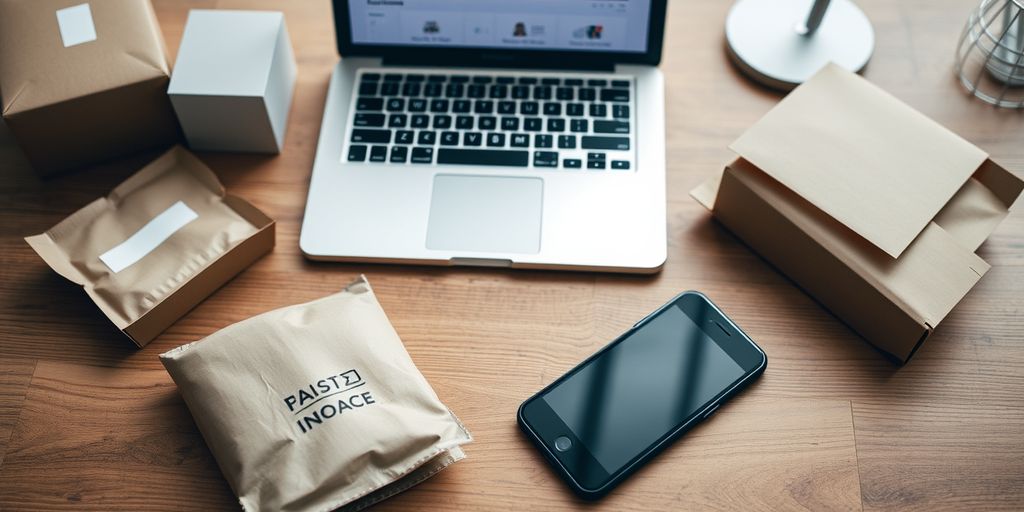
Managing returns is a crucial part of running a dropshipping business. By focusing on best practices for returns, businesses can enhance customer satisfaction, reduce costs, and improve overall efficiency. As we move into 2025, understanding and implementing effective return strategies will be more important than ever.
Key Takeaways
A clear and easy-to-understand return policy builds trust with customers.
Self-service return options empower customers and streamline the process.
Analyzing return data helps identify common issues and improve products.
Offering exchanges instead of returns can keep customers coming back.
Training customer support teams ensures efficient handling of return inquiries.
Crafting a Comprehensive Return Policy
Creating a solid return policy is essential for your dropshipping business. It not only helps you manage returns effectively but also builds trust with your customers. A clear return policy can significantly enhance customer satisfaction.
Understanding Supplier Return Policies
Before you draft your own return policy, it’s crucial to understand the return policies of your suppliers. This ensures that your policy aligns with theirs, preventing any potential conflicts. Here are some key points to consider:
Time limits: Know how long your suppliers allow for returns.
Condition of items: Understand what condition items must be in to be returned.
Return shipping costs: Determine who bears the cost of return shipping.
Creating Clear Return Guidelines
Your return guidelines should be straightforward and easy to follow. Here’s a simple checklist to help you:
Decide on return options: Will you offer refunds, exchanges, or store credit?
Set a time frame: A 30-day return window is standard.
Outline conditions: Specify that items must be in original packaging.
Return shipping: Decide if you’ll cover return shipping costs.
Provide a return label: Make it easy for customers to return items.
Communicating Return Policies to Customers
Make sure your return policy is easy to find. Here are some effective places to link it:
In the website footer
On product pages
During checkout
In confirmation emails
Remember, a well-communicated return policy can turn a potential return into a repeat customer.
By following these steps, you can create a comprehensive return policy that not only meets your business needs but also enhances the customer experience. This approach will help you manage returns more efficiently and build a loyal customer base.
Implementing Self-Service Return Options
Benefits of Self-Service Returns
Self-service returns are a game-changer for your dropshipping business. They empower customers to manage their own returns, which can lead to higher satisfaction. When customers can initiate returns without waiting for support, it reduces the workload on your team and speeds up the process.
Setting Up Self-Service Portals
To set up a self-service return portal, follow these steps:
Choose a platform that integrates with your existing system.
Create a user-friendly interface where customers can easily navigate.
Provide clear instructions on how to initiate a return.
Allow customers to print return labels directly from the portal.
Tracking and Managing Self-Service Returns
Once your self-service portal is up and running, tracking returns becomes easier. You can:
Use automated notifications to keep customers updated on their return status.
Analyze return data to identify trends and common issues.
Adjust your policies based on customer feedback to improve the experience.
Implementing self-service options not only streamlines your operations but also shows customers that you trust them to make the right decisions. This can lead to increased loyalty and repeat business.
By focusing on self-service returns, you can enhance customer satisfaction while also making your return process more efficient. Remember, a smooth return experience can turn a potentially negative situation into a positive one, showcasing your commitment to customer service.
Leveraging Data to Improve Return Rates
Analyzing Return Data
To effectively manage returns, you need to dive into your return data. Understanding the reasons behind returns can help you make informed decisions. Start by tracking the return rates for different products and categories. This will help you identify trends and pinpoint which items are frequently returned.
Identifying Common Return Reasons
Once you have your data, the next step is to identify the common reasons for returns. This could include:
Size or fit issues
Product quality concerns
Misleading product descriptions
Customer error (e.g., ordering the wrong item)
By understanding these reasons, you can take steps to address them, such as improving product descriptions or offering better sizing guides.
Using Data to Enhance Product Descriptions
Your product descriptions are crucial in reducing returns. Make sure they are detailed and accurate. Use the insights from your return data to refine these descriptions. For example, if many customers return a specific shirt due to size issues, consider adding a size chart or customer reviews that mention fit.
By leveraging data analytics, you can not only reduce return rates but also enhance customer satisfaction and loyalty.
In summary, using data effectively can help you understand your customers better and improve their shopping experience, ultimately leading to fewer returns and happier customers.
Enhancing Customer Experience During Returns
When it comes to returns, making the process easy and clear is key. You want your customers to feel supported, not frustrated. Here are some best practices to enhance their experience:
Providing Clear Return Instructions
Be straightforward: Use simple language in your return instructions. Make sure customers know exactly what to do.
Include visuals: Sometimes, a picture is worth a thousand words. Use images or diagrams to show the steps.
Highlight important points: Use bold text for crucial information, like deadlines for returns or specific conditions.
Offering Multiple Return Options
Flexibility is important: Give customers choices on how they can return items. Options could include:
In-store returns
Mail returns with prepaid labels
Drop-off locations
Make it convenient: The easier you make it for customers, the more likely they are to return without hassle.
Ensuring Prompt Refunds and Exchanges
Act quickly: Once a return is initiated, process refunds or exchanges as fast as possible. Customers appreciate quick resolutions.
Communicate updates: Keep customers informed about the status of their return. A simple email or text can go a long way in building trust.
Remember, a smooth return process can turn a potentially negative experience into a positive one, encouraging customers to shop with you again.
By focusing on these areas, you can significantly improve the customer experience during returns, ultimately leading to higher satisfaction and loyalty. Don't forget, strategies to reduce returns in ecommerce can also help enhance overall customer satisfaction!
Reducing Return Rates Through Accurate Product Information
Importance of Detailed Product Descriptions
To keep returns low, you need to provide your customers with all the information they need before they buy. Detailed product descriptions help set the right expectations. Make sure to include:
Materials used
Sizing and fit notes
Care instructions
Using High-Quality Product Images
Images are worth a thousand words! High-quality product images can significantly reduce returns. Include:
Multiple angles of the product
Close-ups to show texture
Lifestyle images to show the product in use
Providing Accurate Size and Fit Information
One of the biggest reasons for returns is sizing issues. To combat this, offer:
Size charts that are easy to understand
Fit guides that explain how the product should fit
Customer reviews that mention fit and comfort
Remember, the more information you provide, the less likely customers will be to return items. By setting clear expectations, you can enhance customer satisfaction and reduce return rates.
Conclusion
By focusing on accurate product information, you can create a better shopping experience. This not only helps in reducing return rates but also builds trust with your customers. Investing in product details pays off!
Utilizing Technology for Efficient Return Management
In the fast-paced world of dropshipping, leveraging technology can make a huge difference in how you manage returns. By automating processes and using smart tools, you can save time and reduce errors, making the return experience smoother for both you and your customers.
Automating Return Processes
Automating your return processes is a game changer. Here are some key areas where automation can help:
Online Returns Page: Allow customers to start their return process online, making it easy for them to initiate returns without needing to contact you.
Chatbots: Use chatbots to answer common customer questions about returns, freeing up your time for more complex issues.
Scan-Based Return Labels: Implement scan-based labels to quickly reintegrate returned products into your inventory.
Tracking Notifications: Automatically notify customers when their returns arrive and when their refunds are being processed.
Integrating AI and Chatbots
AI and chatbots can enhance your return management by:
Providing Instant Support: Customers can get answers to their questions 24/7, improving their experience.
Analyzing Return Data: AI can help identify patterns in return reasons, allowing you to make informed decisions about your products.
Using Return Management Software
Investing in return management software can streamline your operations. Here’s what to look for:
Integration: Ensure it works well with your existing eCommerce platform.
Automation Features: Look for software that automates return requests and refund processing.
Analytics: Choose software that provides insights into return trends and customer behavior.
By utilizing technology effectively, you can turn returns from a hassle into a streamlined process that enhances customer satisfaction and boosts your bottom line.
In conclusion, embracing technology in your return management strategy is essential for success in dropshipping. It not only saves you time but also improves the overall customer experience, making it a win-win situation for everyone involved.
Addressing Financial Implications of Returns
Returns can be a real headache for your dropshipping business, but understanding their financial impact is crucial. High return rates can significantly eat into your profits. Here’s how to tackle the financial side of returns effectively.
Calculating Return Costs
To get a clear picture of how returns affect your bottom line, you need to calculate the costs involved. Here’s a breakdown:
Strategies to Minimize Financial Impact
Analyze Return Data: Look for patterns in returns to identify issues.
Improve Product Descriptions: Ensure customers know what they’re buying to reduce mismatches.
Encourage Exchanges: Offer incentives for customers to exchange rather than return items.
Understanding the financial implications of returns is essential for your dropshipping success. By managing returns wisely, you can turn a potential loss into an opportunity for growth.
Balancing Return Policies with Profit Margins
It’s important to find a balance between customer satisfaction and your profit margins. Offering generous return policies can attract customers, but make sure they don’t hurt your bottom line. Consider implementing a tiered return policy based on the product type or customer history.
By addressing these financial implications, you can create a more sustainable dropshipping business that thrives even in the face of returns. Remember, returns don’t have to be a loss; they can be a chance to improve your business.
Preventing Return Fraud
Identifying Common Types of Return Fraud
Return fraud is a growing issue in the ecommerce world. It often includes practices like wardrobing, where customers wear an item and then return it as if it were new. Other common types include returning stolen items or items purchased from other retailers. Understanding these tactics is crucial for protecting your business.
Implementing Fraud Prevention Measures
To combat return fraud, consider these strategies:
Use tracking numbers: Choose delivery carriers that provide tracking numbers or proof of delivery, like a photo of the package at the customer's door.
Require receipts: Only process returns with a receipt or proof of purchase to prevent returns of stolen goods.
Limit return options: Instead of cash refunds, offer exchanges or store credit, which reduces the incentive for fraud.
Set clear return windows: Offer a longer exchange window than for refunds to encourage exchanges over returns.
Educating Customers on Return Policies
Make sure your customers understand your return policies. Clear communication can help prevent misunderstandings and reduce fraudulent returns. Consider including a section in your FAQ that explains your policies in simple terms.
Remember, a well-informed customer is less likely to attempt fraud.
By implementing these practices, you can significantly reduce the risk of return fraud and protect your bottom line. Stay vigilant and proactive!
Sustainable Practices in Return Management
Managing returns in a sustainable way is crucial for your dropshipping business. The environmental impact of returns is significant, and adopting eco-friendly practices can help reduce your carbon footprint.
Reducing Environmental Impact of Returns
To minimize the environmental effects of returns, consider the following strategies:
Optimize packaging: Use recyclable materials and avoid excessive packaging.
Encourage local returns: Partner with local drop-off points to reduce transportation emissions.
Implement a return policy that discourages unnecessary returns, such as offering store credit instead of refunds.
Implementing Eco-Friendly Return Solutions
You can make your return process more sustainable by:
Ditching prepackaged return labels: Instead, ask customers to print their own labels when needed. This reduces waste.
Using biodegradable materials for shipping and returns.
Promoting a circular economy by refurbishing returned items instead of discarding them.
Promoting Sustainable Packaging
Sustainable packaging is not just a trend; it’s a necessity. Here’s how you can promote it:
Use recyclable or compostable materials.
Clearly communicate your sustainable practices to customers, enhancing your brand image.
Consider offering discounts for customers who return items in reusable packaging.
By adopting these sustainable practices, you not only help the environment but also improve your brand's reputation and customer loyalty.
In conclusion, integrating sustainability into your return management process is not just beneficial for the planet; it can also enhance your business's appeal to eco-conscious consumers. Make sustainability a core part of your return strategy to stay ahead in the dropshipping game.
Improving Post-Purchase Communication
Keeping Customers Informed
Keeping your customers in the loop after they make a purchase is super important. Regular updates about their order status can help reduce anxiety and confusion. You can use emails or even SMS to let them know when their order is shipped and when it’s expected to arrive. This way, they feel valued and informed.
Using Automated Notifications
Automated notifications can save you time and ensure that your customers get timely updates. For example, you can set up an email to automatically send out a confirmation right after they place an order. This not only reassures them but also sets clear expectations about delivery times.
Handling Customer Inquiries Efficiently
When customers have questions, they want quick answers. Make sure your support team is trained to handle inquiries about orders efficiently. You can also create a FAQ section on your website to address common questions. This helps customers find answers without waiting for a response.
Remember, effective communication can turn a one-time buyer into a loyal customer. By keeping them informed and engaged, you build trust and satisfaction.
Highlighting Key Points
Regular updates on order status
Use of automated notifications for confirmations
Efficient handling of customer inquiries
By focusing on these areas, you can significantly enhance the post-purchase experience for your customers, making them more likely to return for future purchases. Customer satisfaction is key to long-term success!
Encouraging Exchanges Over Returns
Benefits of Product Exchanges
Encouraging exchanges instead of returns can be a game changer for your business. Exchanges help retain customers who might otherwise leave after a return. When customers exchange items, they often end up spending more, which boosts your sales. Plus, it reduces the hassle of restocking returned items.
Simplifying the Exchange Process
To make exchanges easy, you should:
Clearly communicate your exchange policy on your website.
Provide a simple online form for customers to fill out.
Offer free shipping on exchanges to encourage customers to choose this option.
Incentivizing Customers to Choose Exchanges
You can motivate customers to opt for exchanges by:
Offering store credit instead of refunds.
Providing discounts on their next purchase if they choose to exchange.
Highlighting the benefits of exchanges in your marketing materials.
By focusing on exchanges, you not only keep your customers happy but also improve your bottom line.
In summary, encouraging exchanges over returns is a smart strategy that can lead to increased customer loyalty and higher sales. Remember, keeping your customers engaged is key to long-term success!
Training Customer Support Teams for Return Management
Providing Comprehensive Training
Training your customer support team is crucial for effective return management. A well-trained team can handle returns smoothly, ensuring customers feel valued. Start with a comprehensive training program that covers:
The return policy and procedures
Common return scenarios and solutions
Tools and software used for managing returns
Empowering Support Teams
Empower your support teams by giving them the authority to make decisions regarding returns. This can lead to faster resolutions and happier customers. Encourage them to:
Use their judgment in unique situations
Offer store credit or exchanges when appropriate
Communicate clearly and empathetically with customers
Monitoring and Improving Support Performance
Regularly monitor your team's performance to identify areas for improvement. Use metrics like:
Average response time
Customer satisfaction scores
Resolution rates
By analyzing these metrics, you can provide targeted training and support to enhance your team's effectiveness.
Remember, a knowledgeable and empowered support team is key to a positive return experience for your customers.
Highlight
Incorporating customer service for dropshipping training that includes real-life examples and role-playing exercises can significantly improve your team's ability to handle common return issues effectively.
Training your customer support teams to handle returns effectively is crucial for keeping customers happy. By equipping them with the right skills, you can ensure smooth return processes and improve customer satisfaction. Ready to enhance your team's abilities? Visit our website to learn more and get started!
Conclusion
In conclusion, managing returns in dropshipping is crucial for success in 2025. A smooth return process can make customers feel valued and encourage them to shop again. By using self-service options, you empower customers to handle their returns easily, which can boost their satisfaction. Analyzing return data helps identify common issues, allowing businesses to improve their services and reduce future returns. Additionally, clear communication and a customer-friendly return policy can build trust and loyalty. By focusing on these best practices, dropshipping businesses can turn returns into opportunities for growth and customer retention.
Frequently Asked Questions
What should I include in my return policy?
Your return policy should clearly state the time frame for returns, conditions for returns, and whether customers need to pay for return shipping.
How can I make returns easier for my customers?
Consider offering self-service return options on your website, where customers can print return labels and track their returns.
Why do customers return items?
Common reasons include receiving the wrong item, sizing issues, or simply changing their minds.
What can I do to reduce return rates?
Provide detailed product descriptions and high-quality images to help customers make informed choices.
How can I keep customers updated on their returns?
Use automated emails or SMS to inform customers about the status of their returns.
What is return fraud and how can I prevent it?
Return fraud happens when customers return items that don't qualify for a refund. To prevent it, implement clear return policies and consider restocking fees.
Should I offer exchanges instead of refunds?
Encouraging exchanges can help retain customers who might otherwise return items for refunds.
How can I improve customer satisfaction during the return process?
Make the return process simple and clear, and ensure prompt refunds or exchanges to enhance customer trust.