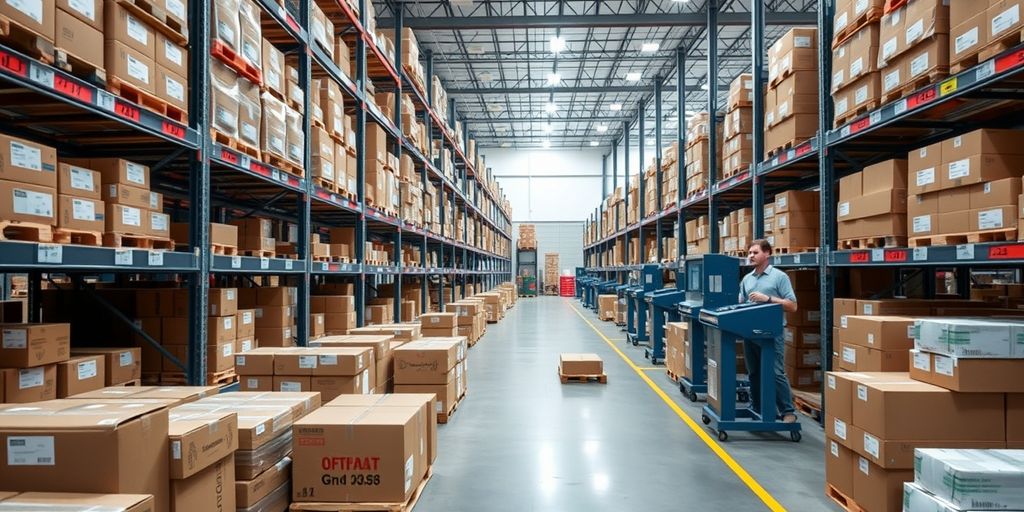
International shipping is a vital part of e-commerce that can make or break a business's success. As online stores reach customers around the world, they face unique challenges that require smart solutions. This article explores how to navigate the complexities of international shipping and highlights key strategies to enhance your e-commerce operations.
Key Takeaways
Understanding customs rules is essential for smooth shipping.
Choosing the right shipping carrier can save time and money.
Using shipping software can automate and simplify processes.
Providing tracking information improves customer satisfaction.
Sustainable practices in shipping can attract more customers.
Navigating the Complexities of International Shipping
When you start selling internationally, you’re opening your business to a whole new world of customers. This can lead to significant growth in global sales. But shipping products across borders isn’t as easy as it seems. You need to think about shipping rates, customs duties, and delivery times. Knowing how to ship products internationally is key to keeping your customers happy and your profits safe.
Understanding Customs Regulations
Every country has its own rules about what can be shipped and how. You’ll need to deal with customs clearance and fill out important documents like commercial invoices. Plus, you might have to pay extra fees, like import duties. Always check the customs website for the country you’re shipping to, as this can save you from unexpected delays or costs.
Managing Shipping Restrictions
Different countries have different restrictions. For example, shipping lithium batteries can be tricky. Make sure you know the rules for the products you’re sending. This will help you avoid any issues that could slow down your shipments.
Choosing the Right Carrier Networks
Selecting the right shipping method is crucial. You might want to use a courier service like DHL for faster delivery, but it can be more expensive. On the other hand, postal services can be cheaper, especially for smaller packages. Consider your options carefully to find the best balance between cost and speed.
Remember, the right shipping strategy can make or break your international sales.
By understanding these complexities, you can navigate international shipping more effectively and set your eCommerce business up for success.
Leveraging Shipping Software for Ecommerce
When it comes to running an online store, shipping software is a game changer. It helps you manage everything from order fulfillment to tracking shipments, making your life a lot easier.
Automating Shipping Processes
Automating your shipping processes can save you time and reduce errors. Here are some key benefits:
Faster Order Processing: Automatically generate shipping labels and packing slips.
Reduced Manual Work: Cut down on human error by automating repetitive tasks.
Real-Time Updates: Keep your customers informed with automatic tracking notifications.
Selecting Packaging Materials
Choosing the right packaging materials is crucial. Here’s what to consider:
Protection: Ensure your products arrive undamaged.
Cost-Effectiveness: Use materials that minimize shipping costs.
Eco-Friendliness: Consider sustainable options to appeal to environmentally conscious customers.
Generating Accurate Shipping Labels
Accurate shipping labels are essential for smooth deliveries. Here’s how shipping software helps:
Integration with Carriers: Automatically pull in shipping rates and options from various carriers.
Error Reduction: Minimize mistakes with auto-filled information.
Tracking Information: Easily include tracking numbers for customer updates.
Remember, using the right shipping software can significantly enhance your ecommerce operations, leading to happier customers and better sales.
By leveraging these tools, you can streamline your shipping processes and focus on growing your business. Don't underestimate the power of good shipping software!
Top Shipping Software Solutions for Ecommerce
When it comes to running a successful online store, having the right shipping software can make all the difference. Here are some top solutions you should consider:
ShipBob: Comprehensive 3PL Services
ShipBob is a leading player in the shipping software game, offering comprehensive third-party logistics (3PL) services. With fulfillment centers located worldwide, they help you store your inventory closer to your customers, which can cut down on shipping costs and delivery times.
LateShipment.com focuses on improving the post-purchase experience. They provide branded tracking pages and notifications via email and SMS, which keeps your customers informed and engaged throughout the shipping process.
AfterShip: Real-Time Tracking
AfterShip offers real-time tracking solutions that allow your customers to monitor their packages every step of the way. This transparency can significantly boost customer satisfaction and trust in your brand.
Remember, the right shipping software not only streamlines your operations but also enhances your customers' experience, leading to higher satisfaction and repeat business.
By choosing the right shipping software, you can tackle the complexities of ecommerce shipping and ensure your customers receive their orders on time, every time. Investing in these tools is essential for your ecommerce success!
Addressing Common Ecommerce Shipping Challenges
Shipping can be a tricky part of running your online store. Here’s how you can tackle some common challenges to keep your customers happy and your business thriving.
Reducing Shipping Costs
Shipping costs can eat into your profits. To keep them low, consider these strategies:
Negotiate with carriers: Talk to your shipping partners about better rates, especially if you ship a lot.
Use flat-rate shipping: This can simplify costs and make budgeting easier.
Encourage larger orders: Offer discounts for bulk purchases to increase the average order size.
Improving Order Fulfillment
To make sure your orders get to customers quickly and accurately:
Streamline your packing process: Organize your workspace to make packing faster.
Use reliable shipping software: This can help you manage orders and track shipments efficiently.
Train your staff: Make sure everyone knows the best practices for packing and shipping.
Enhancing Tracking and Visibility
Keeping your customers informed is key. Here’s how:
Provide tracking numbers: Always send tracking info so customers can see where their package is.
Use automated updates: Set up notifications for when orders are shipped and delivered.
Be transparent about delays: If something goes wrong, let your customers know right away.
Streamlining Returns and Exchanges
Returns can be a hassle, but you can make it easier:
Create a clear return policy: Make sure customers know how to return items.
Offer free returns: This can encourage more purchases, even if it costs you a bit upfront.
Use return labels: Include prepaid return labels in packages to simplify the process for customers.
Remember, happy customers are repeat customers. By addressing these shipping challenges, you can improve their experience and boost your sales.
Highlight
One of the biggest challenges in shipping is last mile logistics. This is where many businesses face issues, but with the right strategies, you can overcome them and ensure smooth deliveries.
Implementing Effective Shipping Cost Calculators
Benefits of Shipping Cost Calculators
Using a shipping cost calculator can significantly enhance your customers' shopping experience. These tools provide real-time shipping rates, allowing customers to see the costs before they check out. This transparency can help reduce cart abandonment rates, as customers are less likely to be surprised by unexpected fees.
Integrating Shipping Estimates into Product Pages
Integrating shipping estimates directly into your product pages is a smart move. This way, customers can see the shipping costs alongside the product price, making it easier for them to make informed decisions. You can use plugins that display real-time rates from multiple carriers, empowering customers to choose the most cost-effective option.
Reducing Cart Abandonment
Cart abandonment is a common issue in e-commerce. By providing clear shipping cost estimates early in the shopping process, you can help manage customer expectations. Here are some tips to reduce cart abandonment:
Show shipping costs upfront on product pages.
Offer free shipping for orders over a certain amount.
Use a shipping calculator to provide accurate estimates based on the customer's location.
Implementing a shipping calculator can transform your checkout process, making it smoother and more customer-friendly.
Conclusion
Incorporating effective shipping cost calculators into your e-commerce platform is essential for improving customer satisfaction and boosting sales. By providing accurate shipping estimates and reducing unexpected costs, you can create a more transparent shopping experience that encourages customers to complete their purchases.
Utilizing Automation in Ecommerce Shipping
In the fast-paced world of ecommerce, automation is your best friend. It helps you streamline processes, reduce errors, and speed up your shipping operations. Here’s how you can make the most of automation in your shipping strategy.
Automating Label Printing
Automating label printing can save you a lot of time and hassle. Instead of manually creating labels for each order, you can set up your system to generate them automatically. This not only speeds up the process but also minimizes the chances of mistakes.
Optimizing Order Fulfillment
With automation, you can optimize your order fulfillment process. This means that when an order comes in, the system can automatically select the best shipping method and carrier based on factors like cost and delivery speed. This ensures that your customers get their packages on time without you having to lift a finger.
Selecting Carriers with Automation
Choosing the right carrier can be tricky, but automation can help. By integrating your shipping software with multiple carriers, you can automatically compare rates and delivery times. This way, you can always choose the best option for each shipment, ensuring efficiency and cost-effectiveness.
Automating your shipping processes not only saves time but also enhances customer satisfaction by ensuring timely deliveries.
In summary, utilizing automation in ecommerce shipping can lead to significant improvements in efficiency and customer experience. By automating tasks like label printing, order fulfillment, and carrier selection, you can focus on growing your business while ensuring that your customers are happy with their shipping experience. Remember, with automation, you can reduce human error, improve operational efficiencies, and ultimately speed up the fulfillment and shipping process.
Optimizing Inventory Management with Shipping Software
When it comes to running a successful e-commerce business, optimizing your inventory management is key. Using shipping software can help you keep track of your stock levels and ensure you never run out of popular items.
Real-Time Inventory Syncing
With real-time inventory syncing, you can see exactly what you have in stock at any moment. This feature helps you avoid overstocking or running out of items, which can lead to lost sales. Here’s how it works:
Automatically updates inventory levels as orders are placed.
Alerts you when stock is low, so you can reorder in time.
Integrates with your e-commerce platform for seamless updates.
Low Stock Notifications
Getting notified when your stock is low can save you from missing out on sales. You can set thresholds for each product, and the system will alert you when it’s time to restock. This way, you can keep your customers happy and your sales flowing.
Automatic Order Routing
Automatic order routing directs orders to the best fulfillment center based on stock levels and shipping costs. This means:
Faster delivery times for your customers.
Reduced shipping costs, which can improve your profit margins.
Better management of your inventory across multiple locations.
Remember, using the right shipping software can help you optimize your inventory levels, reduce the risk of stockouts or overstocking, and improve your overall efficiency.
By leveraging these features, you can ensure that your inventory management is as efficient as possible, leading to a smoother operation and happier customers.
Integrating Third-Party Logistics Providers
When it comes to scaling your e-commerce business, partnering with third-party logistics (3PL) providers can be a game changer. These companies specialize in managing your shipping and fulfillment needs, allowing you to focus on growing your business.
Benefits of 3PL Integration
Cost Savings: By leveraging the expertise of 3PLs, you can access cost-effective shipping strategies that minimize your overall shipping expenses.
Scalability: As your business grows, a 3PL can easily adjust to your changing needs, ensuring you never miss a beat.
Expertise: 3PLs have established relationships with carriers, which can lead to better shipping rates and faster delivery times.
Streamlining Fulfillment Processes
Integrating a 3PL into your operations can streamline your fulfillment processes significantly. Here’s how:
Inventory Management: 3PLs often provide real-time inventory tracking, helping you avoid stockouts and overstock situations.
Order Processing: They can automate order processing, reducing the time it takes to get products to your customers.
Returns Handling: Efficient returns management is crucial for customer satisfaction, and 3PLs can handle this seamlessly.
Outsourcing Warehousing and Shipping
Outsourcing your warehousing and shipping to a 3PL can free up valuable resources. This allows you to:
Focus on marketing and sales strategies.
Reduce overhead costs associated with maintaining your own warehouse.
Improve delivery times by utilizing the 3PL’s network of fulfillment centers.
By integrating a 3PL, you can enhance your shipping capabilities and improve customer satisfaction, leading to increased loyalty and repeat business.
Enhancing Customer Experience with Shipping Solutions
When it comes to e-commerce, shipping can make or break your customer experience. You want to ensure that your customers feel valued and informed throughout the shipping process. Here’s how you can enhance their experience:
Real-Time Package Tracking
Providing real-time tracking information is essential. Customers appreciate knowing where their packages are at all times. This transparency builds trust and keeps them engaged. You can use shipping software that offers tracking updates via email or SMS, ensuring your customers are always in the loop.
Flexible Delivery Options
Offering various delivery options can cater to different customer needs. Some may prefer standard shipping, while others might want expedited delivery. By providing choices, you empower your customers to select what works best for them, enhancing their overall experience.
Proactive Customer Communication
Don’t wait for customers to reach out to you. Communicate proactively about their orders. Send notifications for order confirmations, shipping updates, and any potential delays. This approach not only keeps customers informed but also shows that you care about their experience.
Remember, a well-informed customer is a happy customer. Keeping them updated can significantly reduce anxiety and improve satisfaction.
Summary Table of Key Shipping Features
By focusing on these areas, you can create a shipping experience that not only meets but exceeds customer expectations. This will ultimately lead to increased loyalty and repeat business, making your e-commerce venture a success!
Best Practices for International Shipping
When you dive into international shipping, it’s essential to keep a few best practices in mind to ensure smooth operations and happy customers.
Understanding Customs Compliance
Customs regulations can be tricky! Each country has its own rules, and you need to be aware of them to avoid delays. Always check the customs requirements for the destination country before shipping. This includes knowing what documents are needed and any potential fees.
Managing Delivery Expectations
Set clear expectations with your customers about delivery times. Use estimated delivery dates based on the shipping method and destination. This helps avoid disappointment and builds trust.
Handling Cross-Border Returns
Returns can be complicated when shipping internationally. Create a clear return policy that outlines how returns will be handled, including who pays for return shipping. This transparency can enhance customer satisfaction.
Remember, effective communication is key! Keeping your customers informed about their orders can significantly reduce anxiety and improve their overall experience.
Summary Table of Key Considerations
By following these best practices, you can navigate the complexities of international shipping and enhance your customers' experience. Don't forget to keep an eye on shipping tools that can help streamline these processes, like EasyShip, which can assist in managing lost packages effectively.
Innovative Strategies for Ecommerce Growth
Enhancing Your Ecommerce Platform
Your ecommerce platform is the heart of your online business. Invest in a user-friendly and scalable platform that can handle increased traffic and transactions. Make sure your website is mobile-optimized and provides a smooth shopping experience. Tailor your platform to meet the unique needs of your audience, whether that means creating a luxurious shopping experience or a straightforward budget-friendly interface.
Optimizing Your Supply Chain
A strong supply chain is key to scaling your ecommerce business. Build good relationships with suppliers, negotiate favorable terms, and use inventory management systems to avoid stock issues. Explore new sourcing options to diversify your supply chain and reduce risks. Investing in technologies like blockchain can also enhance transparency and trust in your supply chain.
Expanding Your Market Reach
To grow, think about reaching new customer segments or geographic areas. Use digital marketing strategies like SEO and social media ads to connect with a wider audience. Understand the cultural preferences of your new markets and tailor your marketing messages accordingly. Partnering with local influencers can also help you gain credibility.
Remember, delighting customers goes beyond just meeting their expectations; it’s about exceeding them.
Leveraging Automation for Efficiency
Automation can transform your ecommerce operations. Use tools for tasks like inventory management and customer support to save time. Implement AI and data analytics to personalize the shopping experience, offering tailored recommendations and promotions. This not only improves efficiency but also enhances customer satisfaction.
Summary
By focusing on these innovative strategies, you can position your ecommerce business for sustainable growth. Embrace technology, understand your customers, and continuously adapt to the changing market landscape. This approach will help you thrive in the competitive world of ecommerce, ensuring that you not only meet but exceed customer expectations, leading to long-term success.
Sustainable Shipping Practices
When it comes to running an e-commerce business, sustainability is more than just a buzzword; it’s a necessity. Here are some effective practices you can adopt to make your shipping more eco-friendly.
Reducing Packaging Size and Weight
Use smaller boxes to minimize waste.
Opt for lightweight materials that still protect your products.
Consider using biodegradable packing peanuts or air pillows.
Using Eco-Friendly Materials
Choose recycled cardboard for your boxes.
Use soy-based inks for printing labels and packaging.
Partner with suppliers who prioritize sustainable practices.
Partnering with Carbon-Neutral Carriers
Look for shipping companies that offer carbon-neutral options.
Evaluate carriers based on their environmental impact and sustainability initiatives.
This can enhance your brand image and attract eco-conscious customers.
By implementing these sustainable practices, you not only help the environment but also improve your brand's reputation and customer loyalty.
Incorporating these strategies into your shipping process can lead to a more sustainable future for your e-commerce business. Remember, every small change counts!
Shipping in a way that helps the planet is important for everyone. By choosing eco-friendly methods, we can reduce waste and protect our oceans. Want to learn more about how to make a difference? Visit our website and join us in making shipping better for the Earth!
Conclusion
In summary, navigating international shipping may seem daunting, but it is essential for e-commerce success. By using advanced shipping software and understanding the rules of global shipping, businesses can overcome challenges like customs regulations and shipping costs. Proper packaging and clear return policies also play a vital role in ensuring customer satisfaction. As e-commerce continues to grow, investing in the right shipping solutions will not only streamline operations but also open doors to new markets and opportunities. With the right approach, your business can thrive on a global scale.
Frequently Asked Questions
What are the main challenges of international shipping for e-commerce?
International shipping can be tricky due to customs rules, shipping limits, and finding the right carriers. It's important to understand these challenges to avoid delays and extra costs.
How can shipping software help my online store?
Shipping software can automate processes like label creation and package tracking. This helps save time and reduce errors, making shipping smoother for your business.
What features should I look for in shipping software?
Look for software that integrates well with your e-commerce platform, offers real-time tracking, and has good customer support. These features can make shipping easier and more efficient.
How can I reduce shipping costs for my customers?
You can lower shipping costs by using shipping calculators to find the best rates, offering free shipping over a certain amount, or using lighter packaging materials.
What is the importance of packaging in shipping?
Good packaging protects products during transit and can also impress customers. Using the right materials can prevent damage and reduce shipping costs.
How can I improve customer satisfaction with my shipping process?
Offer clear tracking information, provide multiple shipping options, and communicate proactively about any delays. This helps customers feel informed and valued.
What should I do about returns in international shipping?
Have a clear return policy that explains how returns work for international orders. Make sure customers know about any costs or procedures involved.
Is it necessary to insure international shipments?
Yes, insuring your shipments can protect against loss or damage during transit, giving both you and your customers peace of mind.