Improving conversion rates on landing pages is crucial for any online business aiming to maximize sales and grow its customer base. A well-optimized landing page can turn casual visitors into loyal customers by effectively guiding them towards taking desired actions. In this article, we will explore various strategies to enhance conversion rates, ensuring that your landing pages are not just attracting traffic, but also converting it into revenue.
Key Takeaways
Focus on a single clear call to action to guide visitors.
Use high-quality images and clear descriptions to enhance product appeal.
Ensure your landing page loads quickly to keep visitors engaged.
Incorporate social proof, like reviews and testimonials, to build trust.
Regularly test and optimize your landing page elements for better performance.
Understanding the Importance of Conversion Rates
Defining Conversion Rates
Conversion rates are a simple yet crucial metric for your online success. They measure the percentage of visitors who take a desired action on your landing page, like making a purchase or signing up for a newsletter. To calculate it, just divide the number of conversions by the total number of visitors and multiply by 100. This gives you a clear picture of how well your page is performing.
Why Conversion Rates Matter
Understanding your conversion rates is essential because they directly impact your business's growth. A higher conversion rate means more visitors are becoming customers, which can lead to increased revenue. Here are a few reasons why you should care about conversion rates:
They help identify what works and what doesn’t on your landing pages.
They allow you to compare the effectiveness of different marketing channels.
They provide insights into customer behavior and preferences.
Impact on Revenue and Profitability
A good conversion rate can significantly boost your revenue and profitability. For instance, if your landing page converts at 5%, and you have 1,000 visitors, that means 50 people took action. If each conversion is worth $100, that’s $5,000 in revenue! On the flip side, a low conversion rate can mean lost opportunities and revenue.
Remember, optimizing your conversion rates is not just about numbers; it’s about creating a better experience for your visitors. By focusing on what they want and need, you can turn more of them into loyal customers.
In summary, keeping an eye on your conversion rates is vital for your business. They help you understand your audience better and improve your marketing strategies, ultimately leading to higher profits.
Revenue can be directly linked to your conversion rates.
Optimizing your landing pages can lead to better results.
Optimizing Website Design for Better Conversions
Clear and Intuitive Navigation
When visitors land on your site, they should know exactly where to go. A clean and simple navigation menu helps users find what they need quickly. Here are some tips:
Use clear labels for menu items.
Limit the number of menu options to avoid confusion.
Include a search bar for easy access to specific products.
Mobile-Friendly Design
With more people shopping on their phones, it’s essential to have a mobile-friendly design. Here’s how:
Ensure your site adjusts to different screen sizes.
Make buttons large enough for easy tapping.
Keep text readable without zooming.
Fast Loading Speed
Did you know that slow-loading pages can lead to higher bounce rates? Aim for a loading time of under 3 seconds. Here are some ways to improve speed:
Compress images to reduce file size.
Minimize CSS and JavaScript files.
Use caching techniques to speed up load times.
Remember, a well-optimized website not only enhances user experience but also boosts your conversion rates.
By focusing on these design elements, you can create a website that not only attracts visitors but also encourages them to take action. Optimizing your website design is a crucial step in improving conversion rates.
Crafting Compelling Product Pages
Creating product pages that grab attention and drive sales is essential for boosting your conversion rates. Here’s how you can do it:
High-Quality Product Images
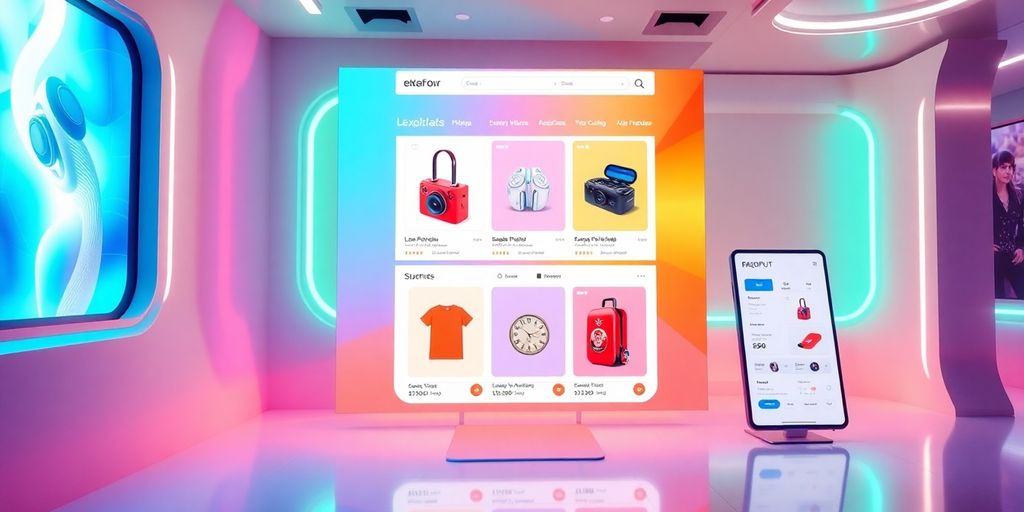
Use clear, high-resolution images that showcase your products from multiple angles. This helps customers visualize what they’re buying.
Consider adding zoom features so shoppers can see details up close.
Lifestyle images can also help customers imagine using the product in their daily lives.
Clear and Persuasive Product Descriptions
Write descriptions that highlight the benefits of your product. Instead of just listing features, explain how it solves a problem or improves the customer’s life.
Use bullet points for easy reading. Here’s a quick example:
Feature 1: Description of how it helps.
Feature 2: Another benefit.
Feature 3: Why it’s better than competitors.
Keep the language simple and relatable to connect with your audience.
Customer Reviews and Ratings
Display genuine customer reviews prominently. Positive feedback can build trust and encourage new customers to make a purchase.
Consider using a star rating system to make it easy for shoppers to see how others feel about the product.
Encourage your customers to leave reviews after their purchase to keep the feedback coming.
Remember, a well-crafted product page can significantly influence purchasing decisions and improve conversion rates. Focus on clarity and engagement!
By implementing these strategies, you can create product pages that not only attract visitors but also convert them into loyal customers. Don't forget to keep testing and refining your approach based on what works best for your audience!
Utilizing Effective Call-to-Action Strategies
Designing Eye-Catching Buttons
When it comes to landing pages, the design of your call-to-action (CTA) buttons can make or break your conversion rates. You want buttons that stand out and grab attention. Here are some tips:
Use contrasting colors to make your buttons pop.
Ensure the text is clear and action-oriented, like "Get Started" or "Sign Up Now".
Experiment with different shapes and sizes to see what works best.
Placement of Call-to-Action Buttons
The placement of your CTAs is just as important as their design. Here’s how to optimize their location:
Place them above the fold so visitors see them without scrolling.
Include multiple CTAs throughout the page to catch attention at different points.
Test different placements to find what drives the most clicks.
Using Action-Oriented Language
The words you choose for your CTAs can significantly impact their effectiveness. Use action-oriented language that encourages visitors to take the next step. Phrases like "Join Free for a Month" or "Claim Your Discount" create a sense of urgency and excitement.
Remember, a well-placed CTA can significantly boost your conversion rates. Whether you're promoting a new product or a special offer, make sure your audience knows what to do next!
Personalizing User Experience
Leveraging Customer Data
To truly connect with your audience, you need to understand what they like. Personalization is key! Start by gathering data on your customers' preferences, such as their interests and shopping habits. This can be done through surveys, social media interactions, or analyzing purchase history. By knowing what your customers want, you can tailor your visuals to meet their needs.
Tailoring Content and Recommendations
Once you have the data, use it to create content that resonates with your audience. For example, if you find that a segment of your audience loves outdoor activities, showcase your products in outdoor settings. This not only grabs their attention but also makes them feel understood. You can use tools like dynamic content to show different visuals to different customer segments based on their preferences.
Implementing Personalized Email Campaigns
Personalized email campaigns can significantly boost engagement. Here are some effective strategies:
Segment your audience based on demographics, purchase history, or engagement levels.
Send targeted messages that resonate with each segment's unique needs.
Include personalized recommendations based on past purchases.
By understanding your audience better, you can create messages that resonate with them, leading to higher conversion rates. Remember, personalization is key!
Highlighting the Role of AI Chatbot
Utilizing an AI Chatbot can enhance the personalization of customer interactions. These chatbots can provide tailored recommendations and support based on user behavior, making the shopping experience smoother and more engaging.
Conclusion
Incorporating personalization into your marketing strategy can lead to better customer experiences and higher conversion rates. By leveraging customer data, tailoring content, and utilizing tools like AI chatbots, you can create a more engaging and effective user experience.
Implementing A/B Testing
Setting Up A/B Tests
When you want to improve your landing page, A/B testing is a must. This method lets you compare two versions of a page to see which one performs better. Start by choosing one element to test, like a headline or a button color. Then, create two versions of your page: one with the original element and one with the change. Use a tool to randomly show each version to visitors.
Analyzing Test Results
After running your test for a while, it’s time to look at the results. Check which version had more conversions. You can use a simple table to track your findings:
From this table, you can see that Version B is better. This data helps you make informed decisions about your landing page.
Making Data-Driven Decisions
Once you know which version works best, implement those changes on your landing page. But don’t stop there! Keep testing different elements to continually improve your conversion rates. Remember, A/B testing is an ongoing process that helps you adapt to your audience's preferences.
A/B testing is one of the most accurate, data-backed methods to ensure your landing page is best optimized for conversions.
By following these steps, you can effectively use A/B testing to enhance your landing page and boost conversions!
Enhancing User Experience on Mobile Devices
When it comes to mobile devices, creating a smooth user experience is essential. With more people browsing on their phones, your site needs to be easy to use and visually appealing. Here are some key areas to focus on:
Responsive Design Principles
Ensure your website adjusts to different screen sizes. This means that whether someone is on a phone or tablet, they should see a layout that works well for them.
Use larger buttons and text to make it easier for users to navigate and click.
Test your site on various devices to ensure everything looks good and functions properly.
Optimizing Mobile Checkout Processes
Simplify the checkout process by reducing the number of steps. A long checkout can frustrate users and lead to cart abandonment.
Offer guest checkout options so users don’t have to create an account to make a purchase.
Include clear instructions and progress indicators to guide users through the checkout.
Ensuring Fast Mobile Page Load Speeds
Aim for your pages to load in under three seconds. Slow pages can lead to high bounce rates.
Optimize images and minimize code to improve loading times.
Use tools to test your site’s speed and make adjustments as needed.
Remember, a great user experience on mobile can significantly boost your conversion rates.
By focusing on these areas, you can create a mobile experience that not only attracts visitors but also encourages them to take action, ultimately leading to higher conversion rates. Don't forget, understanding mobile user behavior is key to refining your strategies further!
Leveraging Social Proof
Displaying Customer Testimonials
When you show off real customer testimonials, you build trust. People are more likely to buy when they see others have had a good experience. Here are some ways to effectively display testimonials:
Use star ratings prominently.
Include written testimonials on product pages.
Share video testimonials for a personal touch.
Incorporating Trust Badges
Trust badges can make a big difference in how visitors view your site. They signal that your business is credible. Consider adding:
Security badges for payment processing.
Money-back guarantees.
Awards or recognitions your business has received.
Showcasing User-Generated Content
Encouraging customers to share their experiences can create a sense of community. Here’s how to leverage user-generated content:
Create a unique hashtag for customers to use.
Repost customer photos on your social media.
Run contests that encourage sharing.
Remember, social proof is a powerful motivator. It can significantly boost your conversion rates by showing potential customers that others trust and enjoy your products. Utilizing social proof effectively can transform your marketing strategy.
Streamlining the Checkout Process
A smooth checkout process is key to keeping your customers happy and boosting your conversion rates. If your checkout is complicated, you risk losing sales. Here are some strategies to make it easier for your customers:
Simplifying Form Fields
Minimize the number of fields: Only ask for essential information like shipping address and payment details.
Use autofill features: This can help fill in details automatically, making it quicker for customers.
Offer guest checkout: Let customers buy without creating an account to speed things up.
Offering Multiple Payment Options
Provide various payment methods like credit cards, PayPal, and even Shopify payments. This caters to different preferences and can increase conversions.
Consider options for installment payments, which can help customers who may not have the full amount available right away.
Clear Shipping Information
Be upfront about shipping costs and delivery times. Hidden fees can lead to cart abandonment.
Free shipping can be a great incentive. Many customers are more likely to complete their purchase if they see that shipping is free.
By streamlining your checkout process, you can significantly reduce cart abandonment and improve your overall conversion rates. Remember, a simple and clear checkout experience can make all the difference!
Analyzing and Measuring Conversion Rate Success
Utilizing Analytics Tools
To truly understand how well your landing pages are performing, you need to dive into the data. Using analytics tools like Google Analytics can help you track your conversion rates effectively. Here’s how you can get started:
Set Up Tracking: Make sure you have tracking set up for your landing pages. This will allow you to see how many visitors are converting.
Monitor Key Metrics: Keep an eye on important metrics such as bounce rate, average session duration, and conversion rate.
Identify Trends: Look for patterns in the data that can help you understand what’s working and what’s not.
Tracking Key Metrics
Understanding your conversion rate is crucial. Here’s a simple formula to calculate it:
This will give you a percentage that shows how many visitors are taking the desired action. A higher percentage means better performance!
Continuous Improvement Through Data
Once you have your data, it’s time to make improvements. Here are some steps to follow:
Analyze User Behavior: Use heatmaps to see where users are clicking and where they drop off.
Conduct A/B Testing: Test different versions of your landing pages to see which one performs better.
Iterate Based on Findings: Make changes based on what the data tells you and keep testing.
Remember, analyzing your conversion rates is an ongoing process. By continuously measuring and adjusting, you can significantly improve your results and drive more conversions. Understanding the power of conversion rate optimization (CRO) can lead to better strategies and higher profits!
Optimizing Landing Pages
Creating Focused and Relevant Content
When it comes to landing pages, keeping your content focused is key. You want to make sure that every word serves a purpose. Here are some tips to help you:
Know your audience: Understand who you’re talking to and what they want.
Stick to one main message: Don’t confuse visitors with too many ideas.
Use bullet points: They make information easier to digest.
Using Visual Elements Effectively
Visuals can make or break your landing page. Here’s how to use them wisely:
High-quality images: Use clear and appealing images that relate to your content.
Videos: A short video can explain your product better than text.
Consistent colors: Stick to a color scheme that matches your brand.
Testing and Iterating for Better Results
Optimization is an ongoing process. Here’s how to keep improving:
A/B Testing: Try different versions of your landing page to see what works best.
Analyze results: Use tools to track how visitors interact with your page.
Make changes: Don’t be afraid to tweak your content based on what you learn.
Remember, optimizing your landing page is about understanding your audience and making their experience as smooth as possible.
By focusing on these areas, you can significantly boost your conversion rates and turn visitors into customers. A well-optimized landing page can lead to higher sales and better engagement.
Reducing Cart Abandonment
Cart abandonment is a big issue for online stores. It happens when customers add items to their cart but leave without buying. You can take steps to reduce this problem and boost your sales.
Identifying Reasons for Cart Abandonment
Unexpected Costs: Customers often leave when they see extra fees at checkout.
Complicated Checkout Process: If the checkout is too long or confusing, people will give up.
Payment Security Concerns: Shoppers want to feel safe when entering their payment info.
Implementing Cart Recovery Strategies
Provide Final Costs Upfront: Show all costs, including shipping and taxes, early in the process.
Offer Guest Checkout Options: Let customers buy without creating an account.
Use Trust Signals: Display security badges to reassure customers about their data safety.
Simplifying the Checkout Experience
Minimize Form Fields: Only ask for essential information to speed up the process.
Multiple Payment Options: Offer various payment methods to cater to different preferences.
Clear Shipping Information: Make sure customers know about shipping costs and delivery times.
By addressing these issues, you can significantly reduce cart abandonment and improve your conversion rates. Remember, a smooth checkout experience is key to keeping customers happy and engaged!
Conclusion
In summary, improving conversion rates on landing pages is essential for any online business looking to succeed. By focusing on key strategies such as enhancing user experience, optimizing page load speed, and using clear calls-to-action, you can create a more engaging environment for visitors. Additionally, personalizing content based on user behavior and preferences can significantly boost conversions. Remember, it’s important to continuously test and analyze your landing pages to identify what works best. By making these adjustments, you can turn more visitors into loyal customers and ultimately drive greater success for your business.
Frequently Asked Questions
What is a conversion rate?
A conversion rate shows how many visitors to a website complete a certain action, like making a purchase or signing up for a newsletter. It’s calculated by dividing the number of actions taken by the total number of visitors, then multiplying by 100 to get a percentage.
Why are conversion rates important?
Conversion rates are important because they measure how well your website turns visitors into customers. A higher conversion rate means more sales and better revenue for your business.
How can I improve my landing page conversion rate?
You can improve your landing page conversion rate by making sure it loads quickly, having a clear call-to-action, using engaging images, and providing social proof like customer reviews.
What is social proof?
Social proof is when people rely on the opinions and actions of others to make decisions. It includes things like customer reviews, testimonials, and ratings that can help build trust.
What are some common mistakes that lower conversion rates?
Common mistakes include having too many calls-to-action, slow page load times, unclear messaging, and complicated checkout processes.
How often should I test my landing pages?
You should regularly test your landing pages to see what works best. Testing different elements like headlines, images, and buttons can help you find the best combination for higher conversions.
What tools can help with landing page optimization?
There are many tools available, such as Google Optimize for A/B testing, Hotjar for user behavior insights, and Google Analytics for tracking performance.
What should I focus on when creating a landing page?
When creating a landing page, focus on having a clear purpose, engaging visuals, a simple layout, and a strong call-to-action that guides visitors on what to do next.